

Over the past 24 hours Australia has experienced a severe geomagnetic storm, confirmed by the Australian Space Weather Forecasting Centre at the Bureau of Meteorology. While these events are often associated with auroras, they also represent a genuine operational consideration for critical infrastructure.
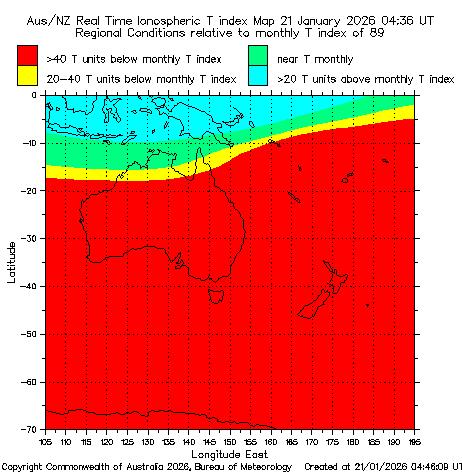
Vocus’ Ops team actively monitors space weather as part of our broader environmental and network resilience posture. This is not passive awareness – it is continuous, real time monitoring integrated into how we run the network.
We maintain a direct data feed from the Australian Space Weather Service, which is ingested into our monitoring environment and visualised through a dashboard in the Operations Control Centre.
This provides live visibility of geomagnetic storm levels, radiation conditions, radio blackout risk, and solar activity, including current imagery of the Sun and associated indices.
This tooling allows the team to quickly understand:
- current and forecast geomagnetic conditions
- severity trends and escalation risk
- potential impacts to long conductor systems (such as our submarine cables, which carry power over thousands of kilometres)
- broader dependencies such as power and timing systems
Having this data embedded alongside our existing operational dashboards means space weather becomes part of our normal situational awareness, not an external alert we react to after the fact.
Geomagnetic storms can induce currents in long conductors and place additional stress on power feed equipment and supporting systems under extreme conditions. They can also affect electricity networks, which our infrastructure is tightly coupled to through grid supply, backup power, and fuel logistics.
Monitoring these conditions in real time allows us to adjust posture, increase vigilance, and ensure the right teams are ready if conditions escalate.
Australia’s geography makes this particularly relevant. We operate networks across long distances, remote regions, and multiple undersea paths. As capacity, power density, and system complexity continue to increase, understanding environmental conditions beyond traditional weather has become increasingly important.
This is a great example of the quiet, behind the scenes work that supports network resilience on the Vocus network every day. Space weather monitoring is not about alarmism; it is about preparedness, engineering discipline, and giving our teams the data they need to make the best informed operational decisions to keep Australia’s services online.
Meet the author

Jonathan Gleeson
Jonathan has more than 20 year's experience in the telecommunications and technology industry and is currently General Manager Technology Operations. His team of technical and operational specialists oversee Vocus' IP and voice operations, network and system security, and incident management, including the organisation's Network Operations Centre (NOC) and Operations Control Centre (OCC).

